
For a cold meal, look for Brotzeit, Pressack, sausage, smoked meat or Gerupfter. Brewery inns commonly offer dishes such as Schäufele, roasts, dumplings and bratwurst; from September to April, menus in the Aischgrund may feature carp. Festival food depends on the organiser. If you have allergies or dietary restrictions, ask the business directly because recipes, stocks, breading and shared preparation vary.

Franconian food by occasion
“Franconian food” is not one standard menu. The cooking changes between Upper, Middle and Lower Franconia, between town and village, and between an inn, beer cellar, butcher and festival. For a traveller, ordering for the occasion is more useful than collecting as many dish names as possible.
At an inn: roast with dumpling
Schäufele is pork shoulder roasted with the shoulder blade and rind. It differs from Schweinshaxe and is commonly served with potato dumpling, gravy and cabbage. Roast pork, Sauerbraten or beef may appear alongside it. Not every inn serves every roast daily; long cooking times often produce weekend or day-specific offers.

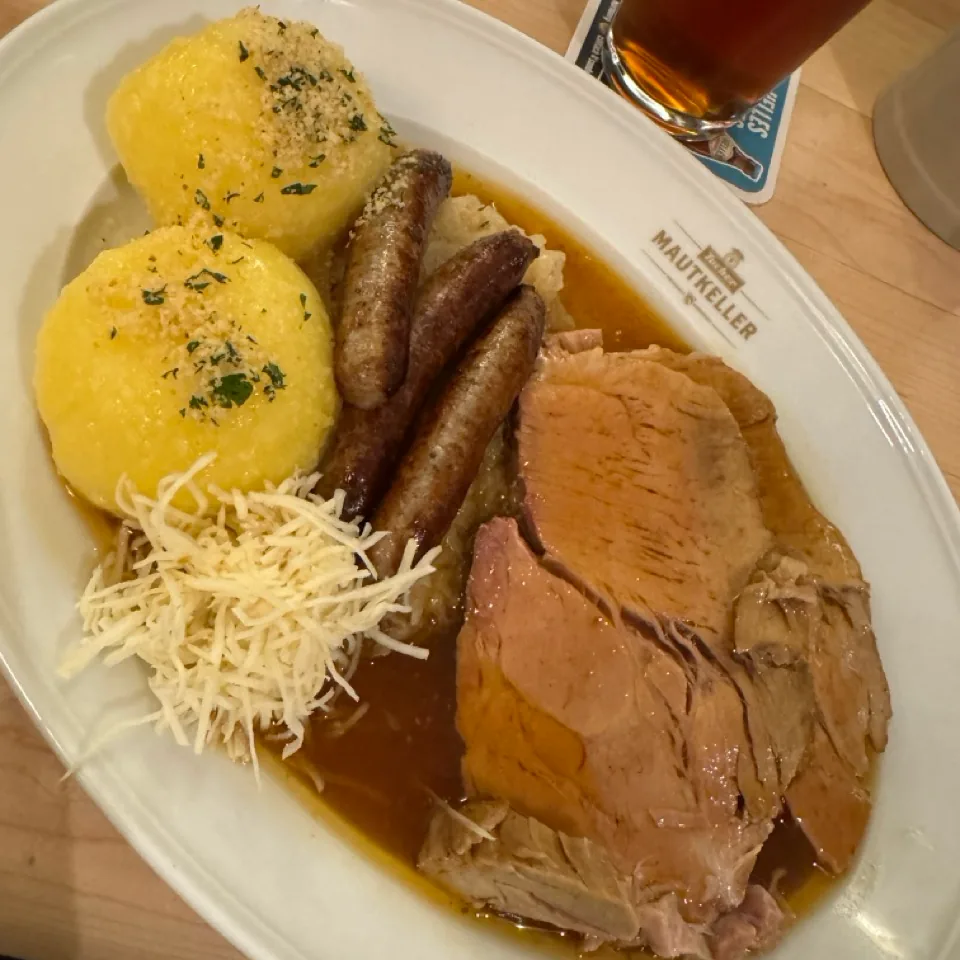
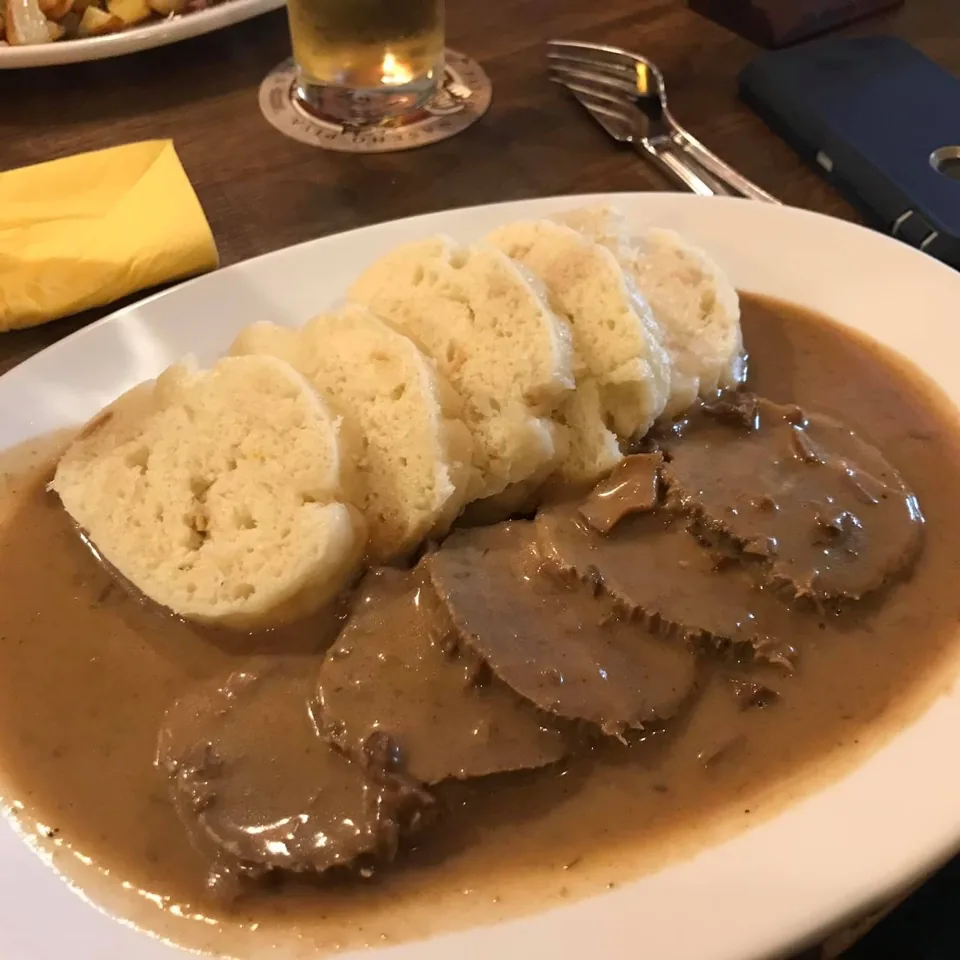
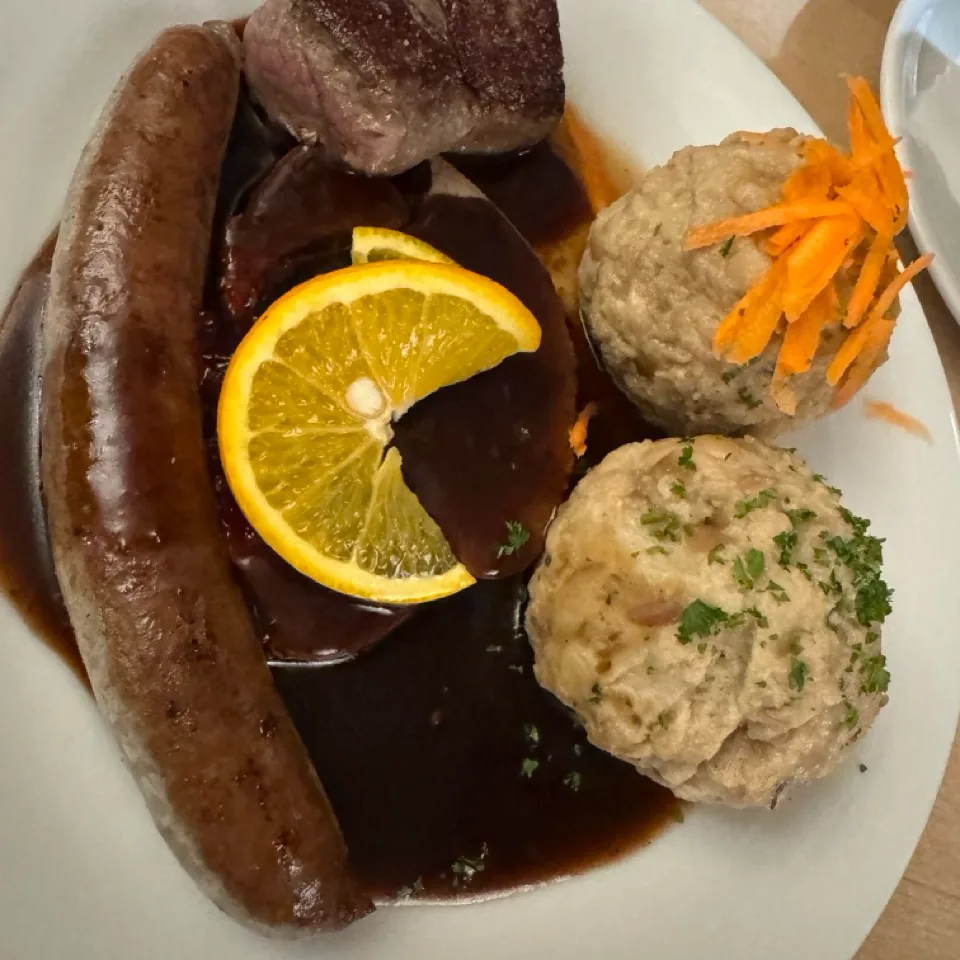
The dish name alone does not establish portion size, accompaniments or availability. A current menu or reservation question is more precise. The Schäufele explanation shows how the shovel-shaped shoulder blade gives the dish its name and the rind forms part of the cut.
At a grill or snack counter: bratwurst
Franconia has several documented bratwurst traditions. Nürnberger Rostbratwurst is small and geographically protected; Coburg, Bamberg, Hof and Kulmbach versions differ in form, texture, seasoning and service. “Franconian bratwurst” is therefore not one standard product.

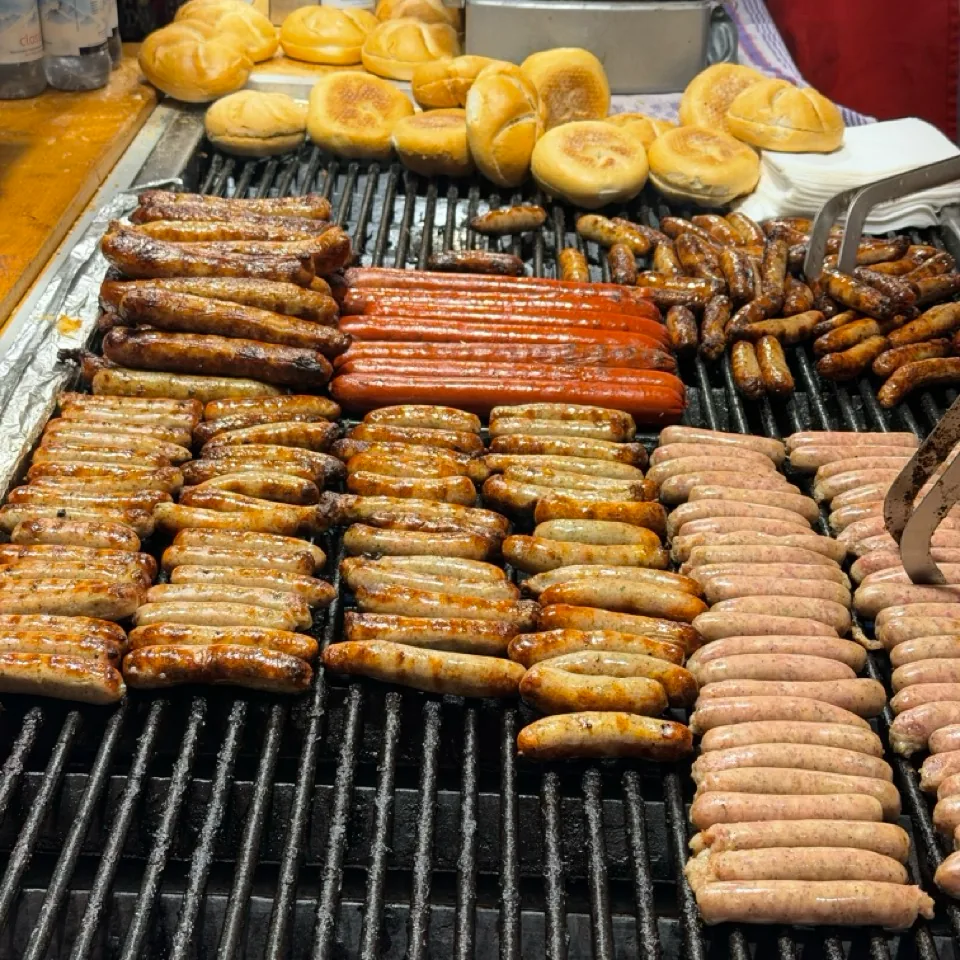
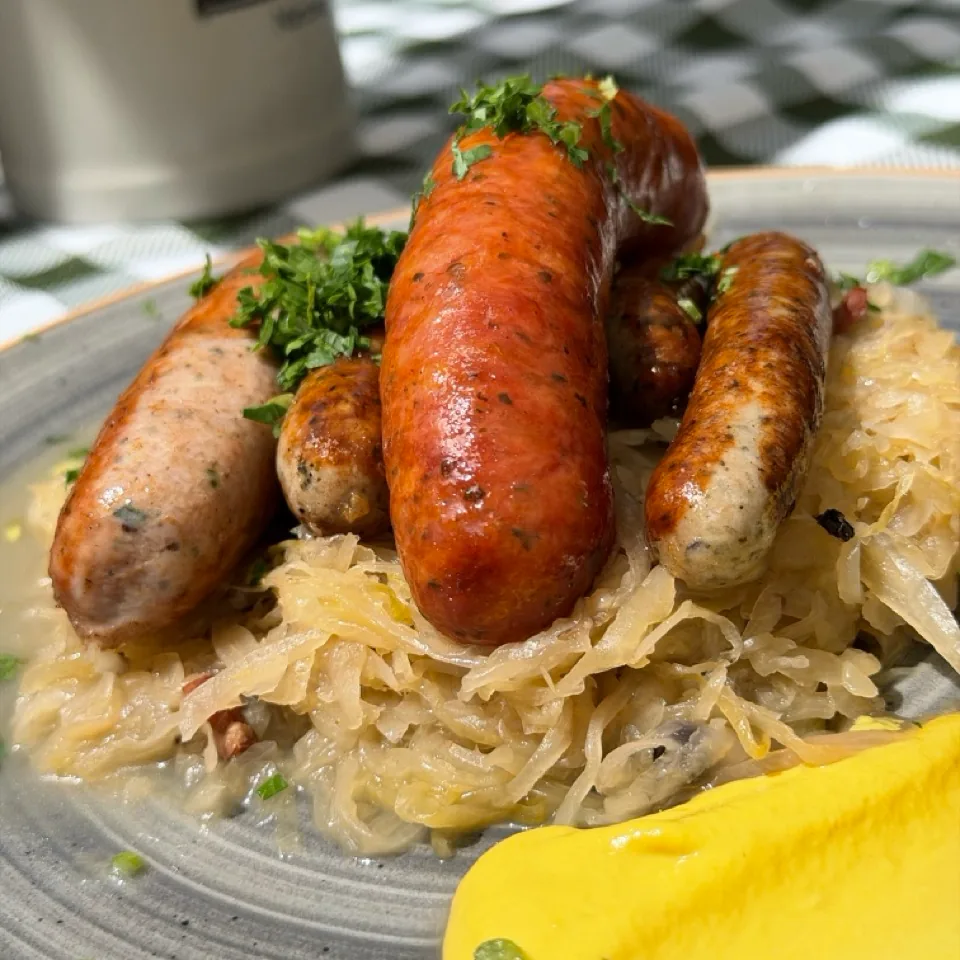
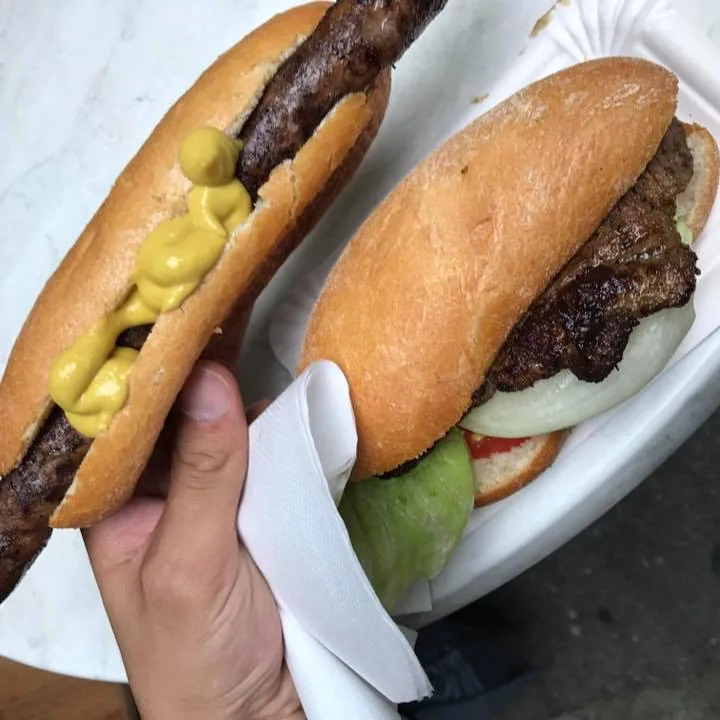
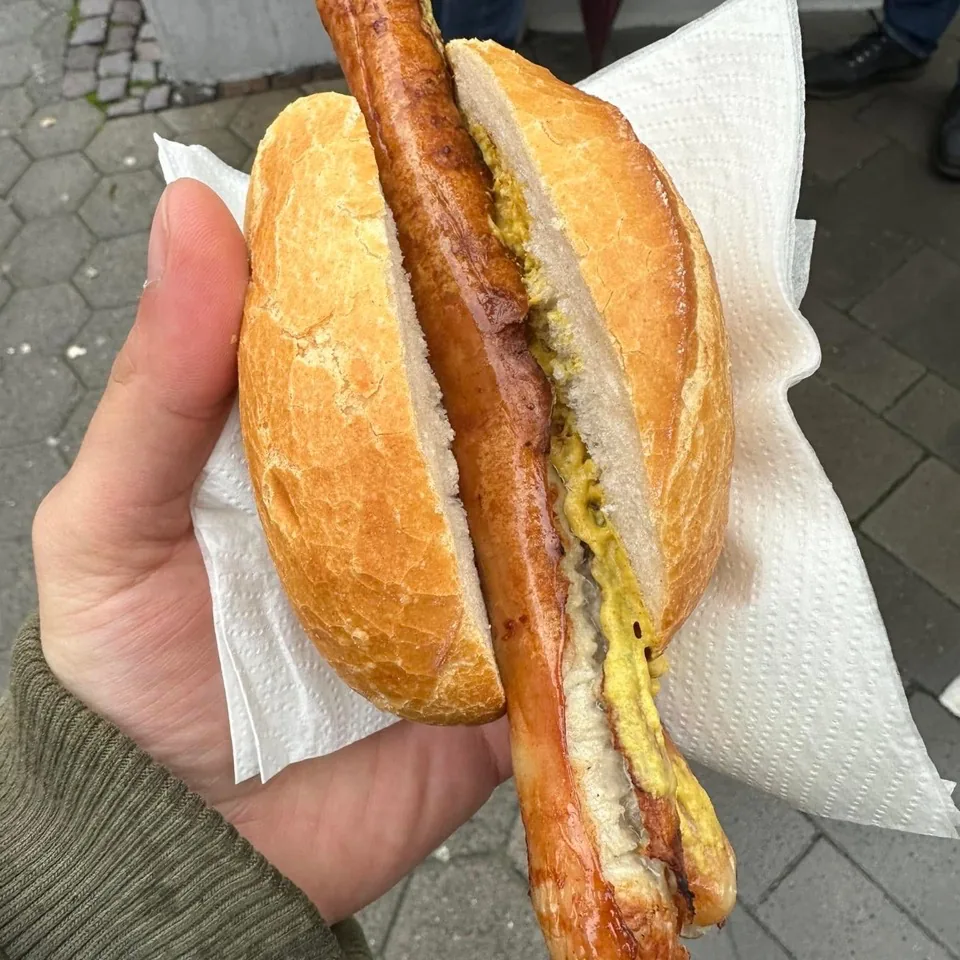
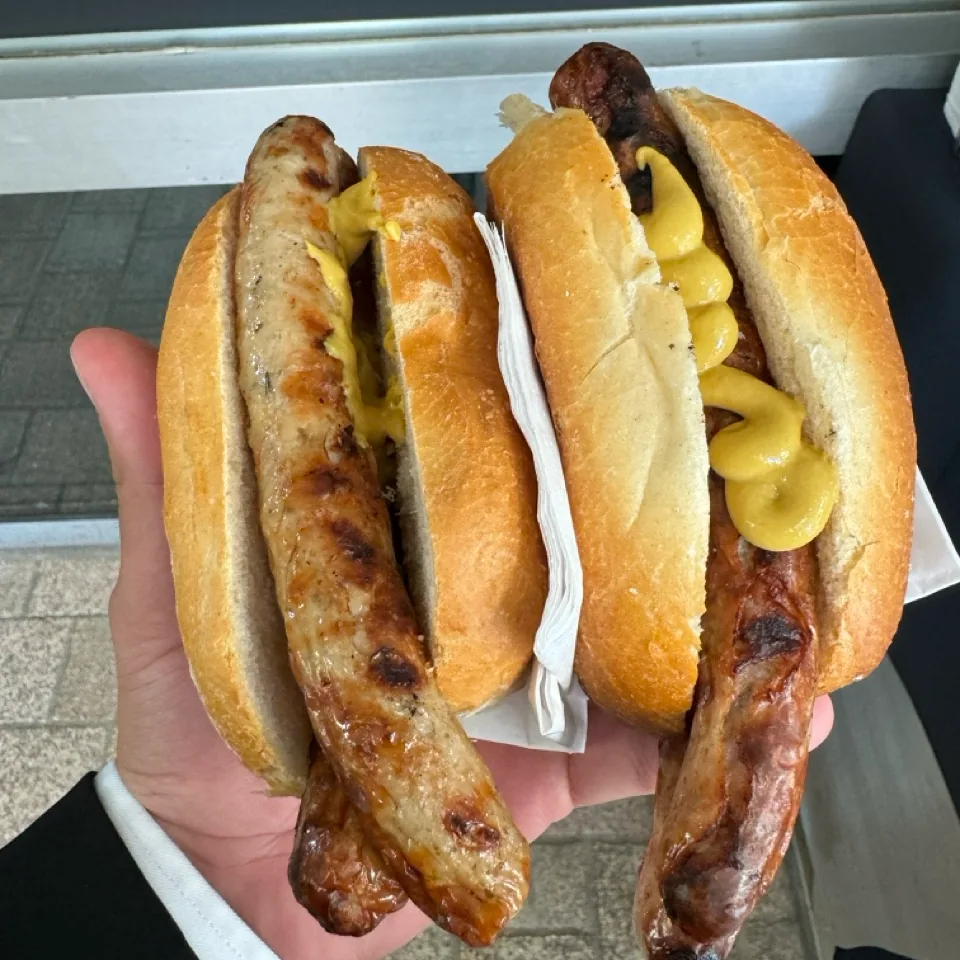
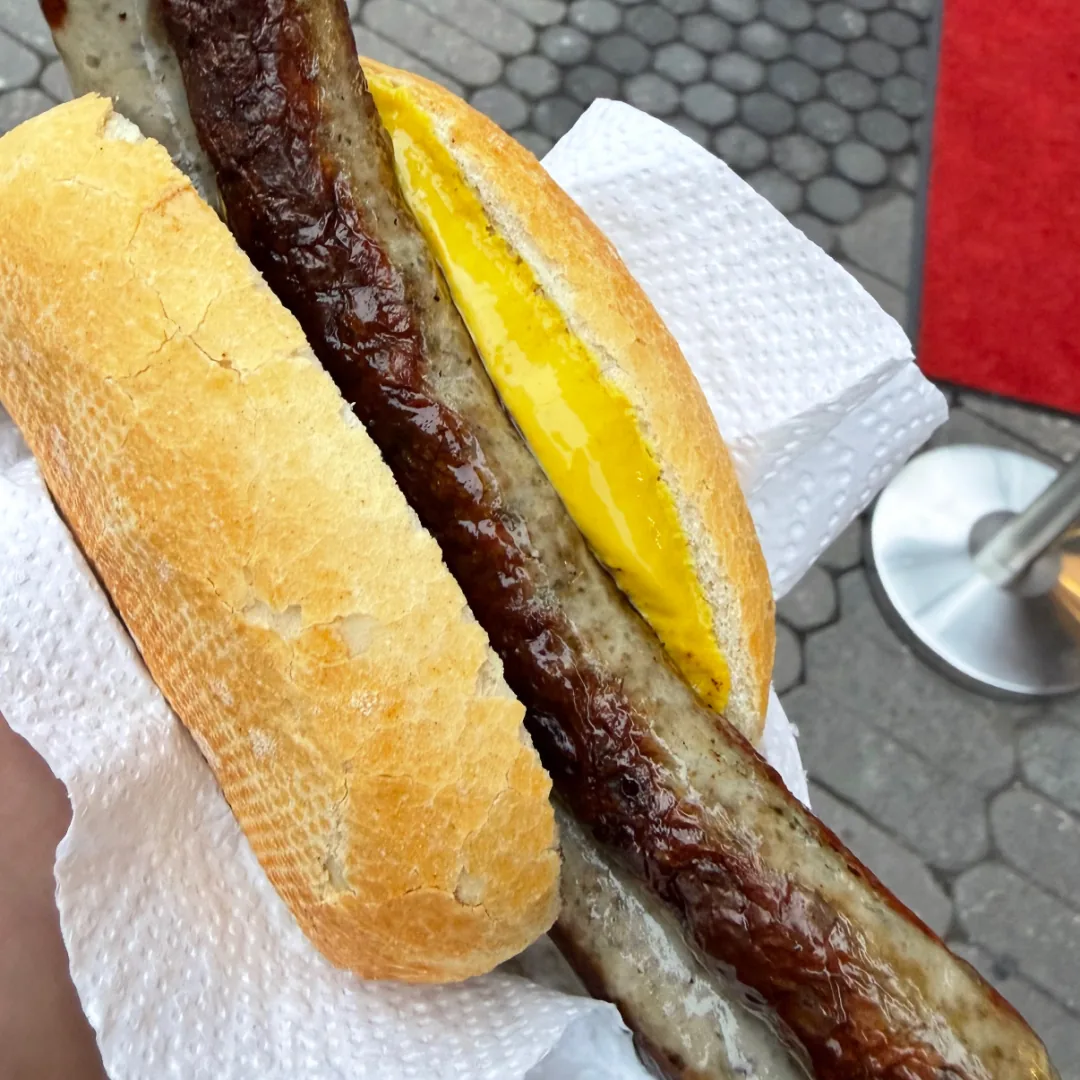
In Nuremberg, “Drei im Weggla” is familiar; elsewhere one long sausage or several larger sausages may be normal. Mustard, cabbage, bread and plate service change with the place. The bratwurst comparison deliberately limits itself to documented varieties.
At a beer cellar: Brotzeit
Brotzeit can include bread, sausage, Pressack, cheese, smoked meat and changing accompaniments. A mixed board is a practical first order, not a required platter with fixed contents. Some traditional beer gardens and cellars permit food brought from outside; others operate their own kitchen or prohibit it. The individual business decides.

Kellerbier or Landbier commonly accompanies the meal. Water remains part of it, especially on walks and warm days.
In the Aischgrund: carp
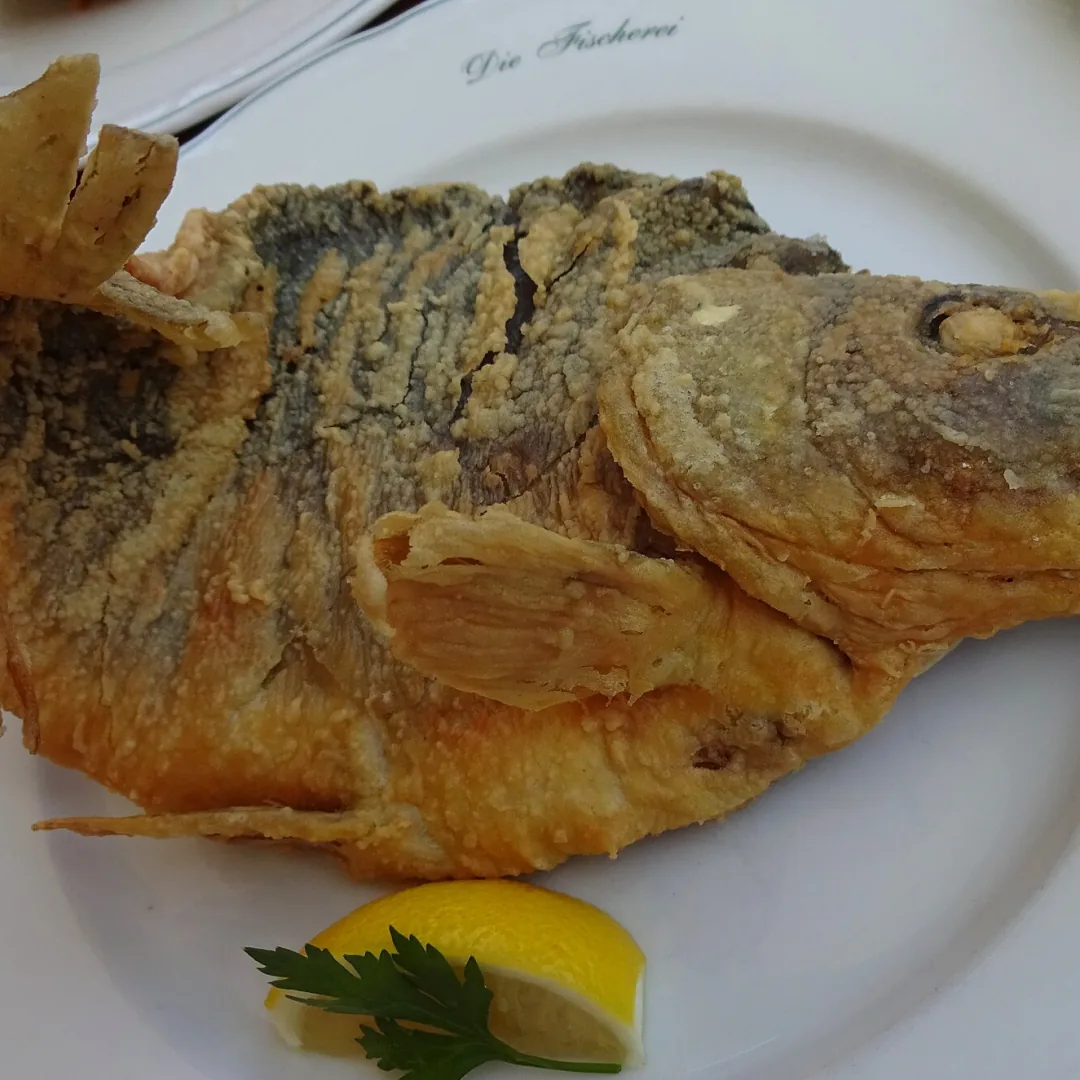
Aischgründer Karpfen is an EU-protected product of origin. The traditional season extends approximately from September to April, the German months containing the letter “r”. Whole fried carp, fillet and other preparations depend on the inn. The Aischgrund can still be visited in summer, but a carp menu should not be assumed.
Trout from streams and ponds
Upper Franconia has long had streams and ponds with good trout stocks, above all in Franconian Switzerland, the Fichtelgebirge, the Frankenwald, the Steigerwald, the Upper Main region and around Coburg. Most farms raise rainbow trout; connoisseurs prefer the smaller native brown trout.
The favourite is trout cooked blue and served with boiled potatoes, horseradish and melted butter. À la meunière it is dusted with flour and fried in the pan, the Franconian way it comes in beer batter with potato salad, and smoked it is eaten cold with bread.

At a Kärwa or festival
Bratwurst, Krenfleisch, roasts, chicken, Brotzeit and Küchla are common festival foods. Availability follows the service model: an inn, club tent and sales stall have different kitchens. Krenfleisch is cooked meat with a horseradish sauce; Küchla or ausgezogene Krapfen are sweet yeast pastries. Both are documented regional foods, but neither appears at every Kärwa.

Sweets: Nürnberger Lebkuchen
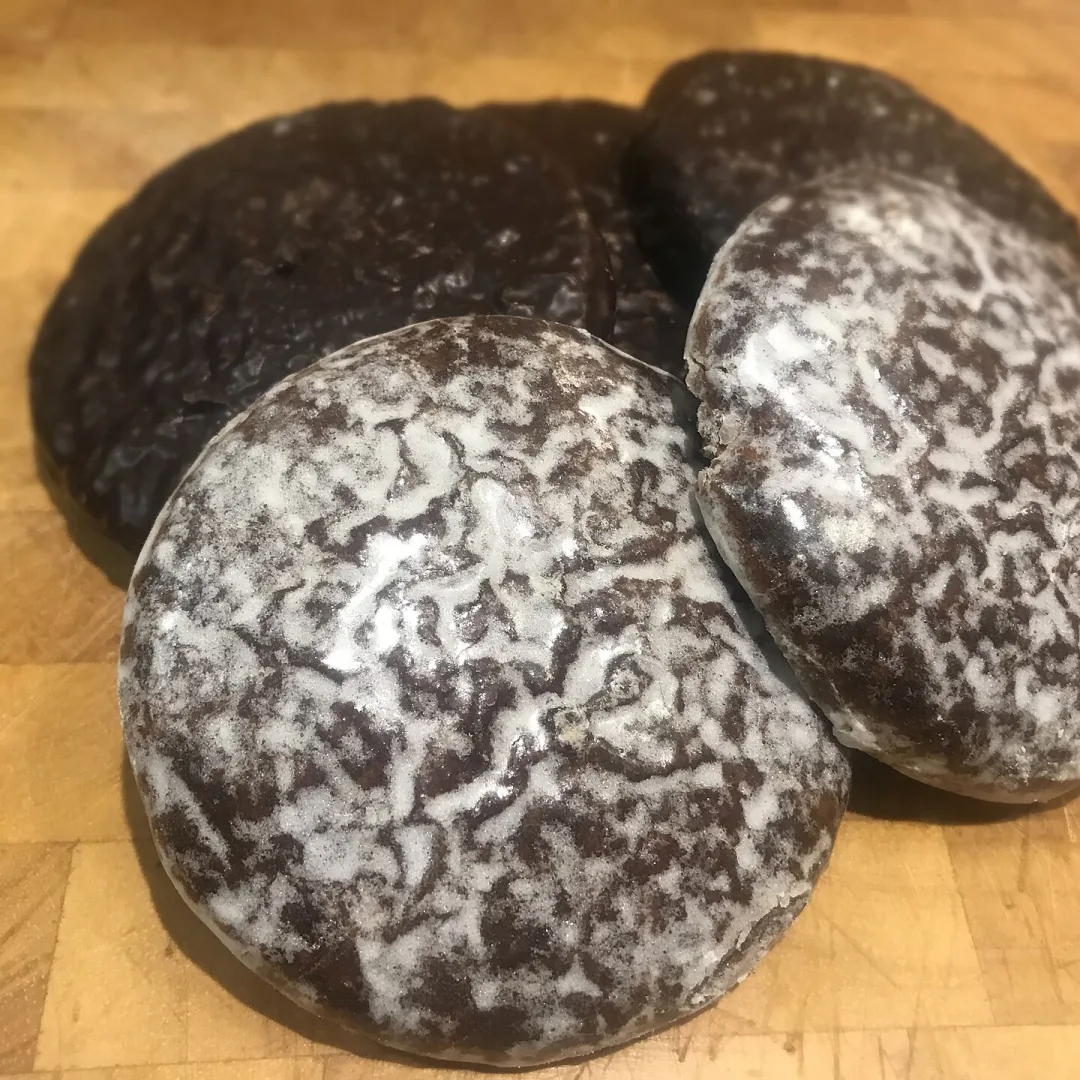
Since 1996, "Nürnberger Lebkuchen" has been a protected geographical indication in the EU: only Lebkuchen baked in the city of Nuremberg may carry the name. Typical are large, mostly round Lebkuchen baked on wafers, glazed, coated in chocolate or plain, often decorated with almonds.
The highest grade is called Elisenlebkuchen: at least 25 percent almonds, hazelnuts or walnuts and no more than 10 percent flour. The spices reached Nuremberg along the trade routes, and the honey came from the forest beekeepers of the Lorenzer Reichswald.
One order for four situations
| Situation | Useful first choice | Know beforehand |
|---|---|---|
| Brewery inn | house dish or Schäufele with house beer | roast day and portion size |
| Beer cellar | small Brotzeit | own kitchen or outside-food policy |
| City snack counter | local bratwurst form | number and serving style |
| Kärwa | dish offered by the inn or club | location, allergens and payment method |
Vegetarian and vegan food is now possible in many places but is not automatically present on a traditional menu. Anyone with a specific diet or allergy should find the actual offer before travelling and ask the business about ingredients and cross-contact.