
Seidla commonly means a half-litre serving of beer in Franconia. A Maß is one litre and is especially associated with Oktoberfest and other large Bavarian festival contexts. Actual glass sizes still depend on the beer and the establishment, so order from the menu rather than treating either word as a universal measure everywhere.
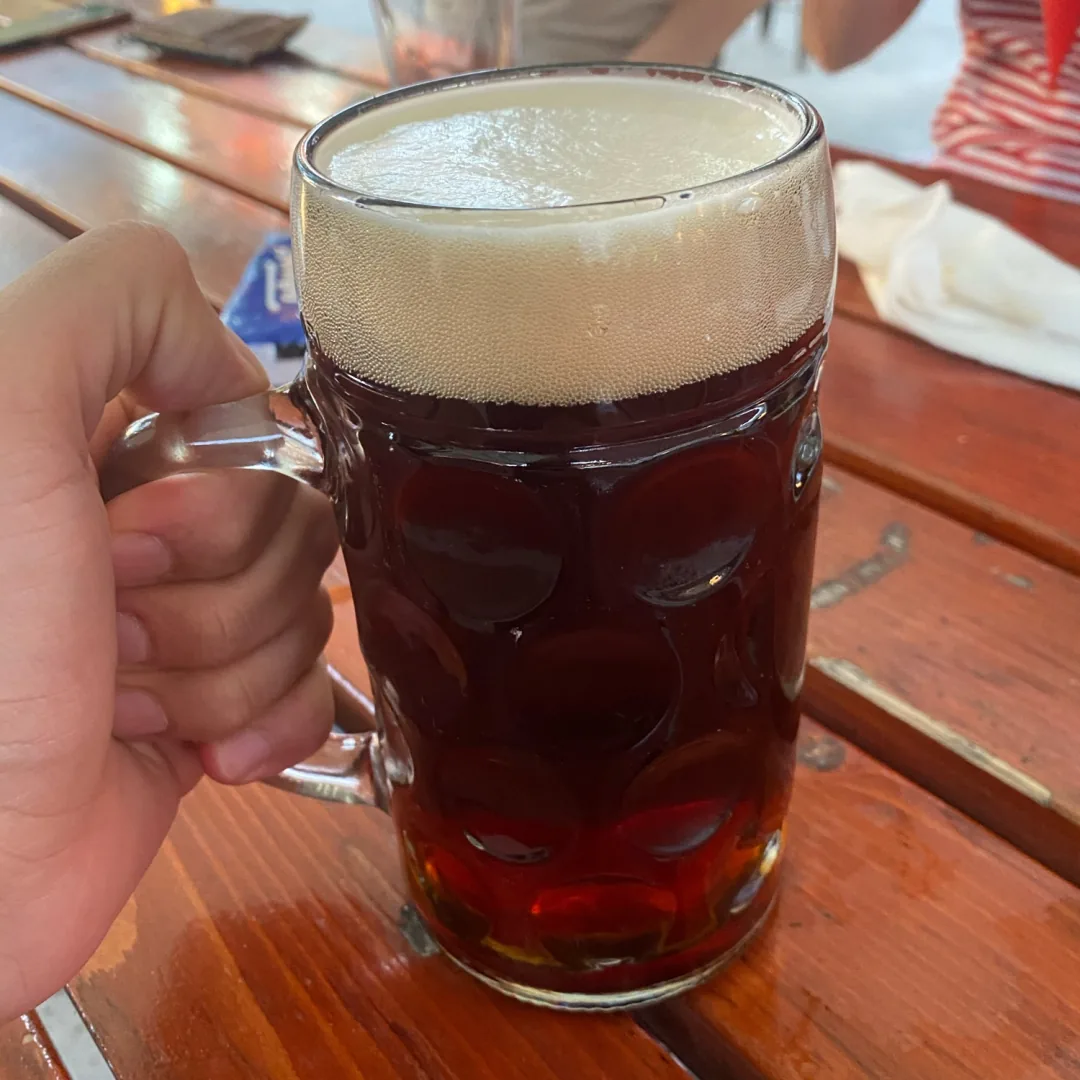
Seidla usually means half a litre
In Franconia, Seidla is a familiar dialect form of Seidel and usually refers to a 0.5-litre serving of beer. The word can mean both the vessel and its contents. Pronunciation and spelling vary; “Seidla” is a common written form rather than a standard phonetic spelling for all Franconia.
The Bavarian dialect dictionary records related forms, while Duden defines Seidel as a drinking vessel or old liquid measure. Historic measures were not identical everywhere. For a present order, the quantity on the menu or fill mark on the glass is what matters.
A Maß is one litre
In the current festival context, Maß means one litre of beer. Oktoberfest uses the one-litre Maßkrug as its normal serving form. An ordinary inn outside that setting does not automatically offer litre mugs.
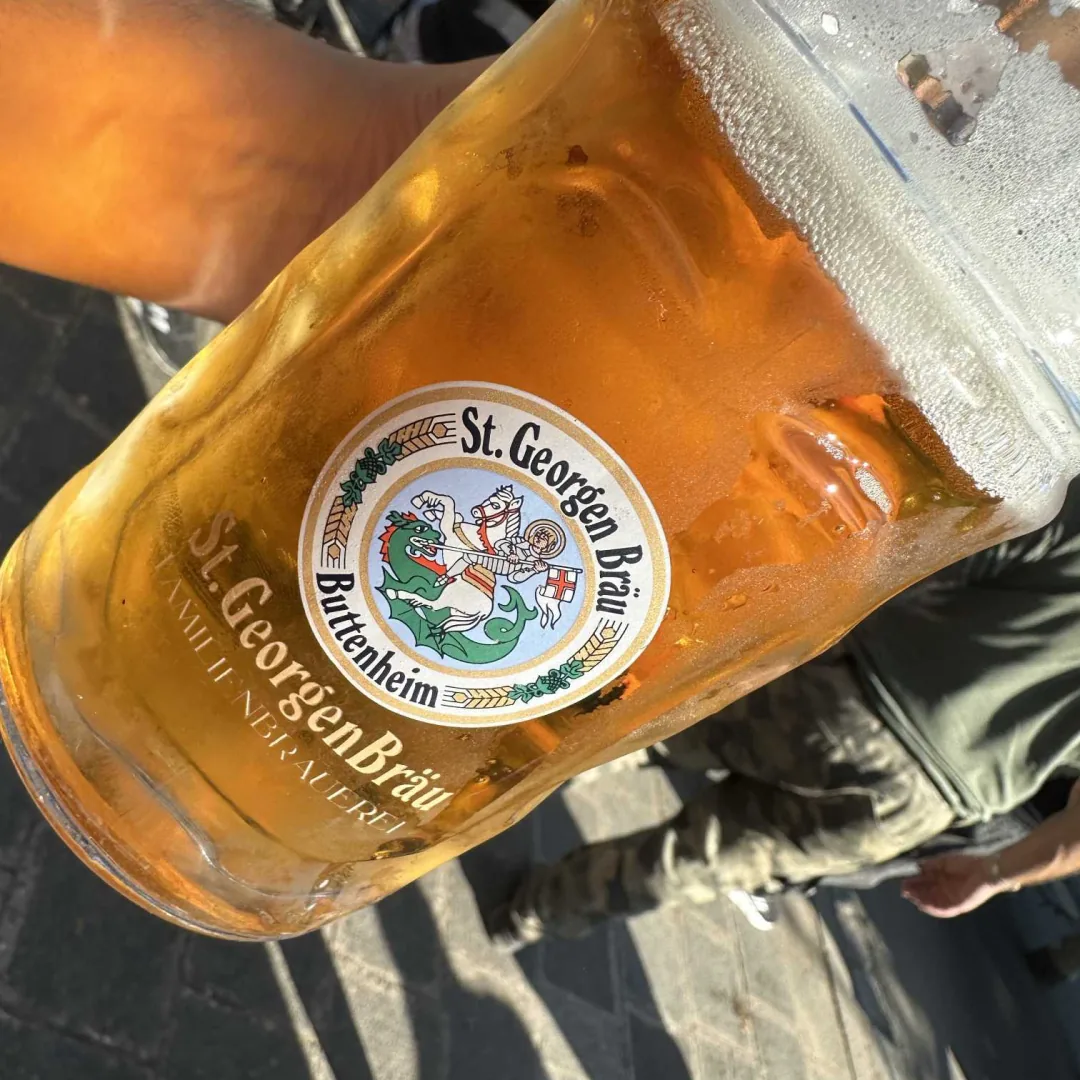
Seidla and Maß are therefore not two regional words for the same amount. A Seidla is typically half the size. Smaller 0.3-litre servings for special beers and other formats can still occur; the marked volume is more authoritative than colloquial language.
Ordering
At a Franconian brewery inn, the beer name or house beer is usually sufficient: “ein Kellerbier”, “ein Ungespundetes” or “ein Seidla Kellerbier”. Staff know the glass sold there. An uncertain visitor can simply ask whether it is half a litre.
Ordering a Maß is not a social offence. The business may explain that it does not offer that size or suggest another glass. Visitors do not need to pass a dialect test.
Do not confuse other terms
| Term | Common current context | Quantity |
|---|---|---|
| Seidla | Franconian colloquial beer serving | usually 0.5 litres |
| Halbe | Bavarian colloquial usage | 0.5 litres |
| Maß | large Bavarian festivals and some hospitality | 1 litre |
| Schoppen | especially wine in Franconia | often 0.25 litres; check locally |
The table describes common modern usage, not a universal historic system of measures.
Glass form and fill line
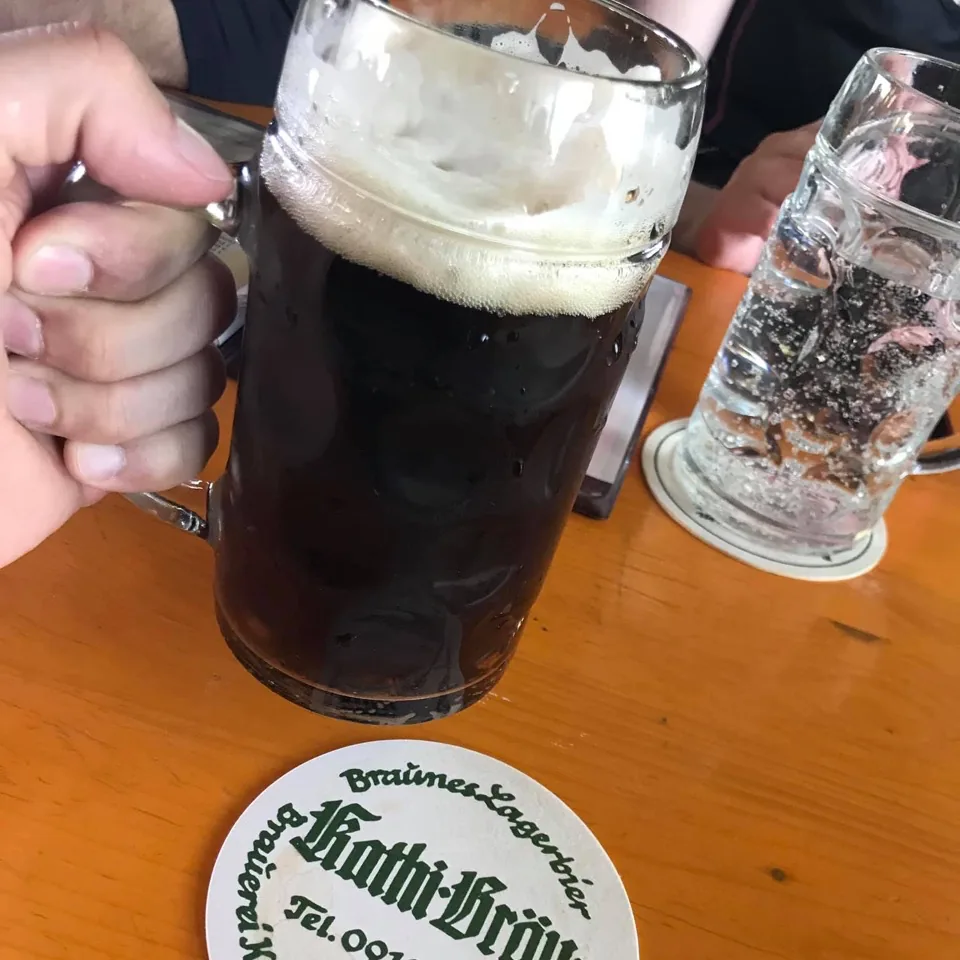
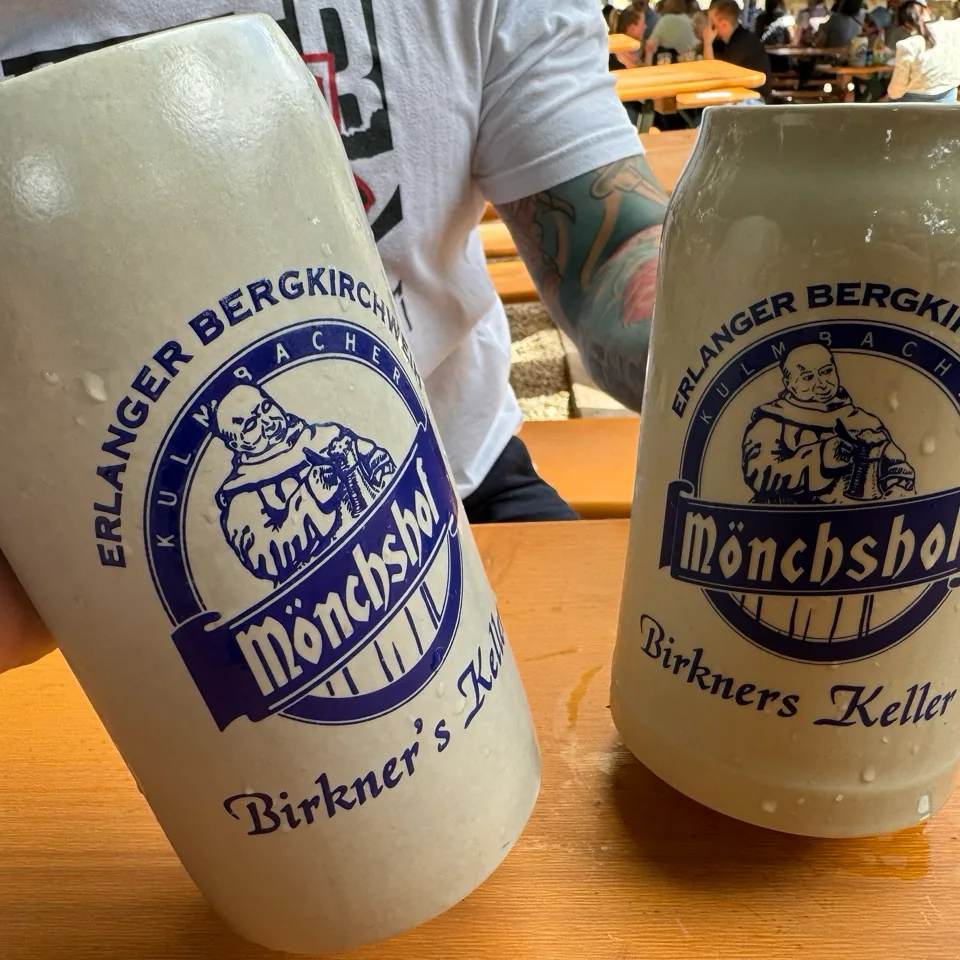
A Seidla can arrive in a handled glass mug, stoneware mug or another glass form. The material does not change the colloquial quantity. The fill line gives the nominal volume actually sold. Foam sits above it; the vessel is not meant to contain liquid to the rim.
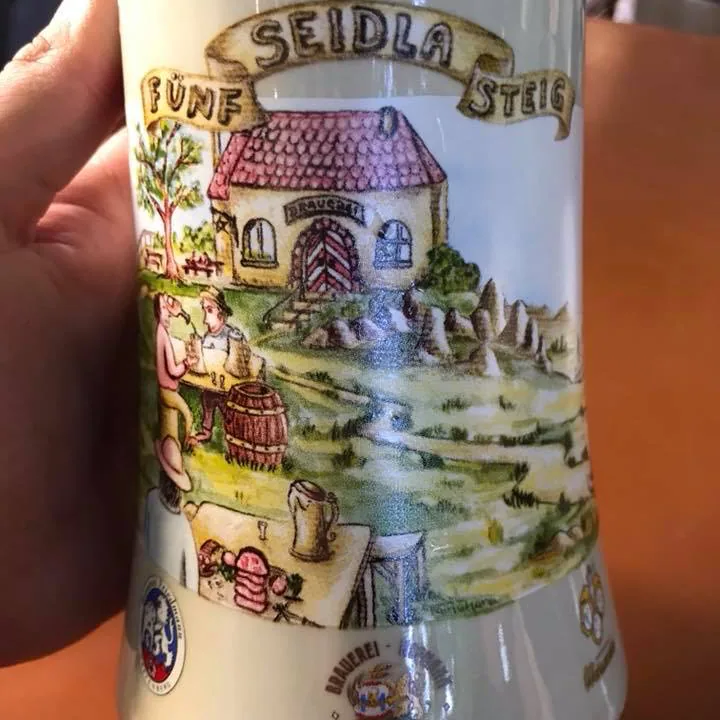
Willibecher
The Willibecher has been Germany’s standard glass since 1954 and is named after its inventor, Willy Steinmeier. At about 80 percent of its height it is slightly wider than at the base and at the rim.
It comes in sizes from 0.2 to 0.5 litres and is still the most produced beer glass.
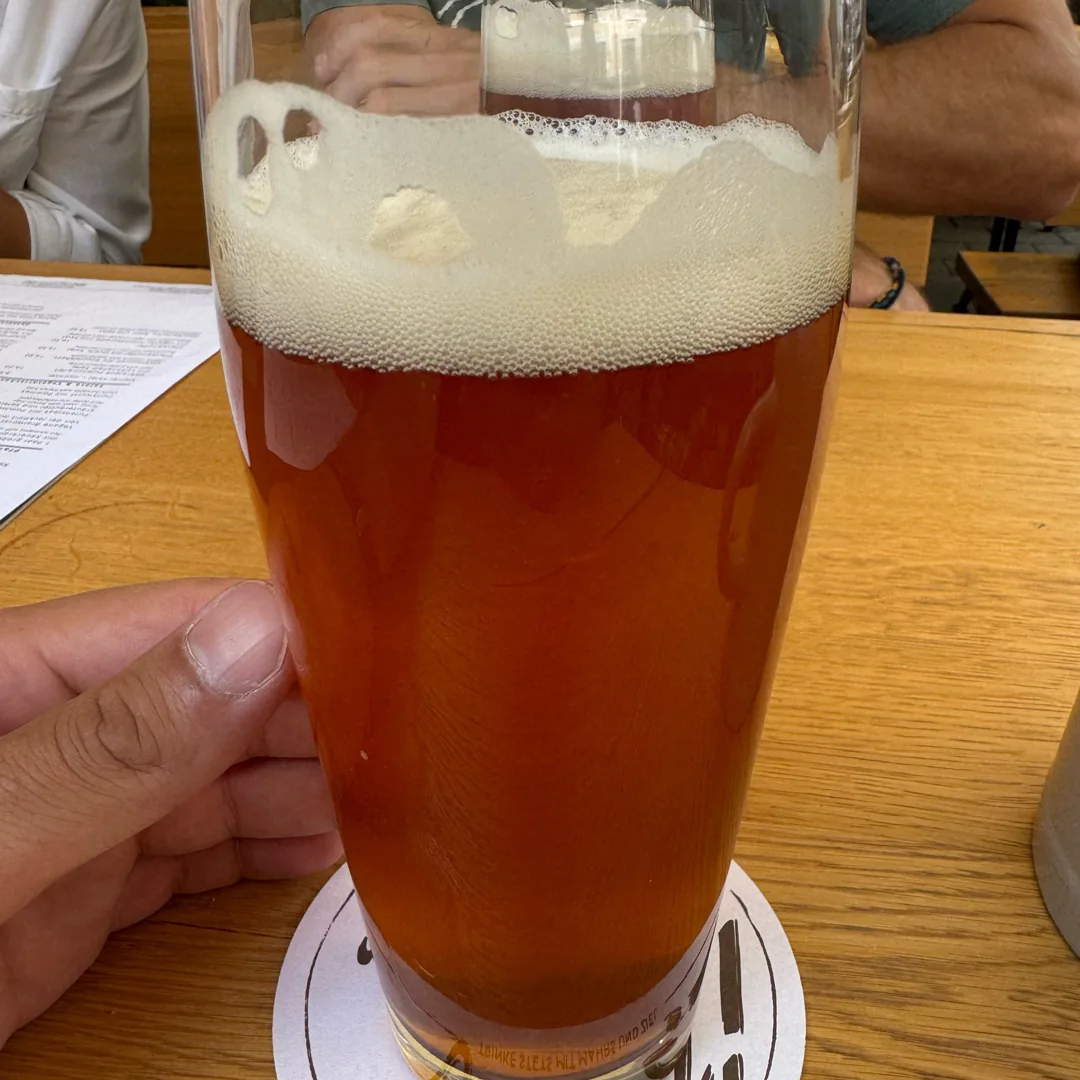
Tulip glass
The Pils tulip is the traditional glass for drinking Pils. It stands on a foot like a wine glass and starts narrow at the bottom; towards the top it widens, or narrows again just above the middle.
It comes from 0.2 litres, and 0.3 litres is widespread. In pubs and restaurants a punched collar of absorbent paper, the Pilsdeckchen, is often placed around the stem.
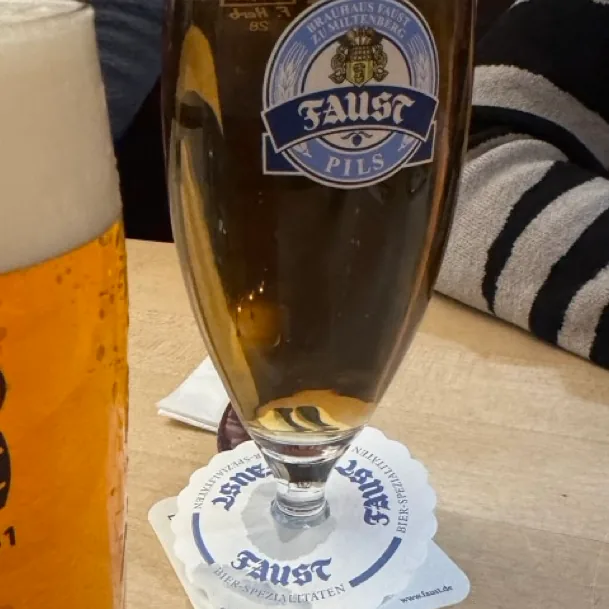
The name Find My Seidla
The site title uses the Franconian expression because the project explains places and beer culture in Franconia. It does not claim that every beer is served in 0.5 litres or that dialect is identical everywhere. The term is a regional invitation, not a rule for locals and guests.
Amount of alcohol
Half a litre is already a substantial serving. Whether another Seidla is appropriate depends on alcoholic strength, the person, time and the return journey, not on tradition. Drivers and cyclists remain alcohol-free. Smaller tasting quantities are often a better choice for comparing styles.